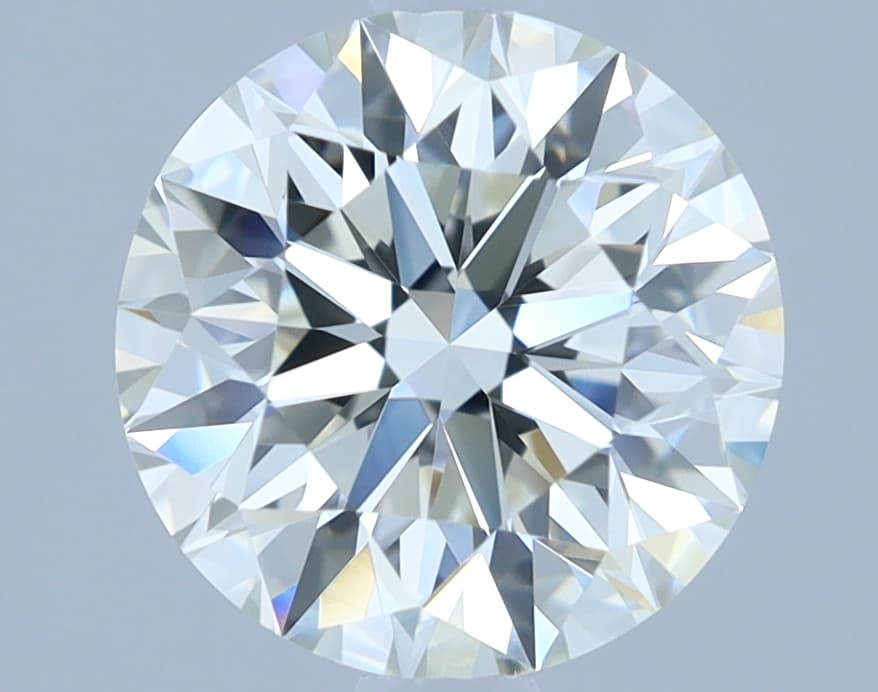
1.69 ct Round
NaturalColour J · Clarity VVS1 · Cut EX
$7,035
Rapaport Price List reference*$10,500
You save $3,465 (−33%)
*Calculated using the Rapaport Price List high asking price for the corresponding category. Not an appraisal, guarantee of value or transaction price. Reference to Rapaport does not imply affiliation, endorsement or guarantee by Rapaport.
$4,163 per carat
Price includes 5% VAT. This is the price you pay.
Ask about buying this stone
Opens a chat with a ready message. Send it, and we will confirm availability, quote the terms and arrange a viewing in Dubai.
GIA report number6442383003
Key characteristics
- Shape
- Round
- Carat
- 1.69
- Colour
- J
- Clarity
- VVS1
- Cut
- EX
- Lab
- GIA
More grading details
- Polish
- EX
- Symmetry
- VG
- Fluorescence
- STG
- Depth
- 63.3%
- Table
- 56%
- Measurements
- 7.6 × 7.49 × 4.77 mm
Size and proportions
Size in millimetres
GIA proportions · not life-size
Proportions
Values available from the GIA report data
- measurements
- 7.6 × 7.49 × 4.77 mm
- table
- 56%
- total depth
- 63.3%
- L/W ratio
- 1.01
- GIA grades this diamond J for colour and VVS1 for clarity.
- At 7.6 × 7.49 × 4.77 mm with a 1.01 ratio, the outline is exceptionally round; 63.3% total depth keeps the proportions balanced for its weight.
Close to this one
The closest available alternatives. The note under each one highlights its clearest trade-off against the stone you are viewing.
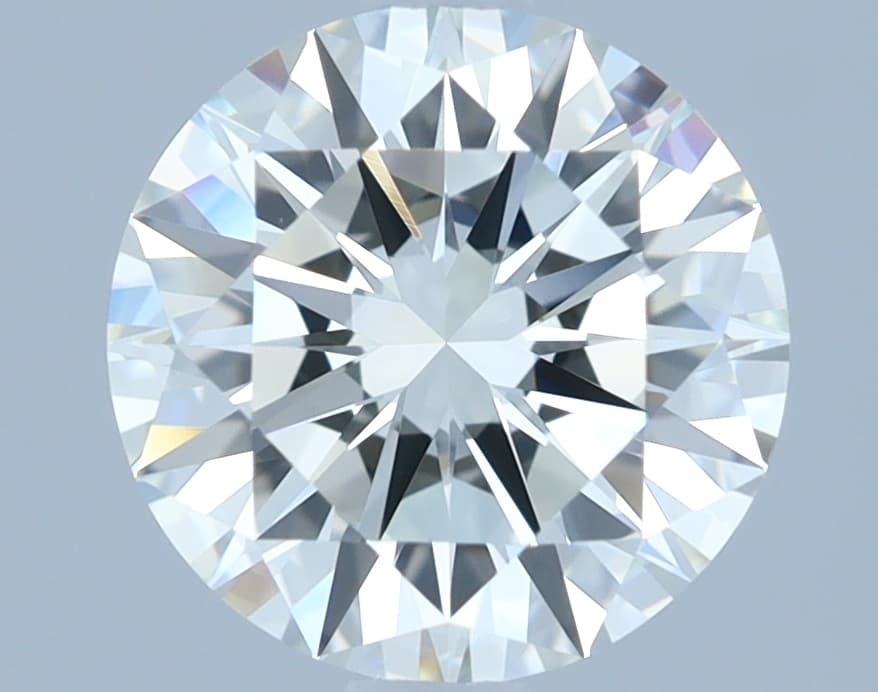
360°
Natural
A38231GIA
1.66 ct Round
J · VVS1 · EX
Rapaport ref.$10,500
$7,240$4,361 per carat
You save $3,260 (−31%)
The closest thing to it in the vault right now.

360°
Natural
PB-B744-24-AGIA
1.6 ct Round
K · VVS1 · EX
Rapaport ref.$8,400
$5,775$3,609 per carat
You save $2,625 (−31%)
The same look for less money.

360°
Natural
PB-B764-6-AGIA
1.71 ct Round
K · IF · EX
Rapaport ref.$10,000
$6,605$3,863 per carat
You save $3,395 (−34%)
Fewer inclusions at about the same price.

360°
Natural
PB-B794-18-AGIA
1.51 ct Round
I · VS1 · EX
Rapaport ref.$9,800
$7,080$4,689 per carat
You save $2,720 (−28%)
A whiter colour at about the same price.

360°
Natural
PB-B610-9-AGIA
2.01 ct Round
L · VVS1 · G
Rapaport ref.$14,000
$6,525$3,246 per carat
You save $7,475 (−53%)
Bigger, and it does not cost more.